HOW TO UNDERSTAND THE VITALIZING EFFECT OF MAGNETIC RESONANCE STIMULATION (MRS)
Vibrations or frequencies, matching the body’s own as well as the earth’s magnetic field frequencies, are transmitted as purposeful information to energy deprived, weak and unhealthy cells whose function has been disturbed. Applying magnetic resonance stimulation (MRS) only twice a day for 8 minutes, has proven to increase oxygen utilization, accelerate ATP production (adenosine triphosphate, the fuel of the cell or energy which controls everything), facilitate detoxification, and better absorption of nutrients. Tired cells are revitalized, bringing balance and energy to a weakened metabolism, allowing better organ functionality.
In summary: If magnetic resonance stimulation is started in time to reactivate and revitalize weak cells by providing improved energy, not only is it possible to prevent diseases, but to reverse a disease which has already developed. MRS does not treat medical conditions, but instead up-regulates the body’s functions and optimizes the body’s ability to heal itself
WHAT ARE THE INDICATIONS OF MAGNETIC RESONANCE STIMULATION (MRS) IN GENERAL
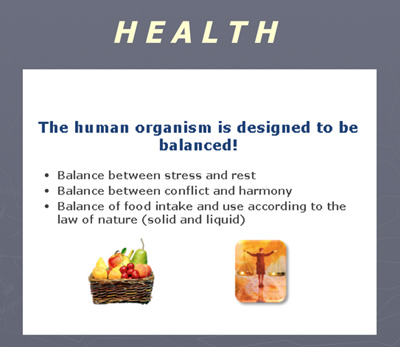
Most importantly, MRS has a regulating, balancing and harmonizing effect on the internal control system of the body, the autonomic nervous system, releasing stress.
THE IMPORTANCE OF A BALANCED AUTONOMIC NERVOUS SYSTEM AND STRESS REDUCTION
According to European statistics, most likely matching statistics in other industrialized countries, 70% of all doctor’s visits are known to be attributed to a dysfunctional autonomic nervous system, caused by stress. This may result in serious health problems like migraines, blood pressure disorders, bowel inflammations, chronic constipation, circulation problems, heart disease, gastritis, ulcer, bladder diseases, skin problems bronchial asthma and many more. Excessive stress is closely related to a weakening of the immune system, contributing to numerous infections and may also have an effect on tumor diseases.
The autonomic nervous system is not controlled by our will, but functions automatically, and is therefore called autonomic nervous system. It is divided into two types: the sympathetic nervous system and the parasympathetic nervous system. The sympathetic nervous system allows the body to function under stress – “fight or flight”. The Parasympathetic nervous system has a calming effect on the entire body – “rest and digest”. The internal balance of both parts is of great importance to a person’s health. Our nervous systems, the autonomic and somatic (controlled) divisions, are made up of the brain and spinal cord. “Where the brain goes, the body tends to follow”
HOW TO RECOGNIZE AND TO HANDLE STRESS
Stress is simply a reaction to a stimulus that disturbs or delights our physical or mental equilibrium, in other words, it’s an omnipresent part of life. We need to differentiate between Eustress and Distress. “Eu” derives from the Greek word “well” or “good” and is the positive cognitive response to stress that is healthy. Distress is the most commonly type of stress, having negative implications.
Assuming that before opening your eyes in the morning, you already focus on the dozens of responsibilities that await you, as well as your big to-do list, your clutter of thoughts tumble into consciousness, gearing you physically according to your thoughts. A brain in the process ticking off the upcoming day’s to-do list activates a particular circuit of neurons that loops in the hypothalamus, pituitary and adrenal glands, triggering the release of cortisol and adrenaline hormones, creating tension. In other words, nerve circuits in your brain trigger an alarm, letting the rest of your body know that times are ahead to “fight or flight”. Somebody might as well have scribbled STRESS across your forehead. If unchecked, stress can put quite a toll on the body, causing serious ailments, as well as pushing a variety of metabolic systems off balance.
We all know too well how easy it is to turn on this stress system. Turning it off is quite different. The art of letting go is never easy. And yet, there are many sources of meditation techniques available. Welcome the day by greeting the sunshine. Live in the moment. Sometimes a change of scenery helps, so take a walk. Make sure you leave your pressure and mental chaos behind. The purpose of getting away is to truly get away, simply smelling the roses.
Scientific MRS literature suggests that applying magnetic resonance stimulation on a regular basis has proven to balance the autonomic nervous system in a way not yet experienced with any available medication or drug. Magnetic field therapy can restore balance to an imbalanced autonomic nervous system by its positive effect on the control circuit. Stress symptoms can be reduced as well as their negative effect on the body.
IMA, International Medical Academy:
“Without knowing the exact mechanism, it is assumed that a pulsating magnetic field activates autonomic reactions. This makes it possible to unblock an autonomic nervous system which is stuck in a one-sided reaction and to return it back to a natural oscillation behavior between the poles of the sympathetic and parasympathetic nervous system.”
It needs to be mentioned that psychosomatic related stress, caused by relationship, family or financial problems, just to name a few, may have to be addressed by seeking psychotherapy or the help of an appropriate expert. The balancing effect of magnetic field therapy can result in handling these challenges in a more relaxed manner. However, it can not make them disappear.
“Health is not everything, but without it, nothing else matters!”